
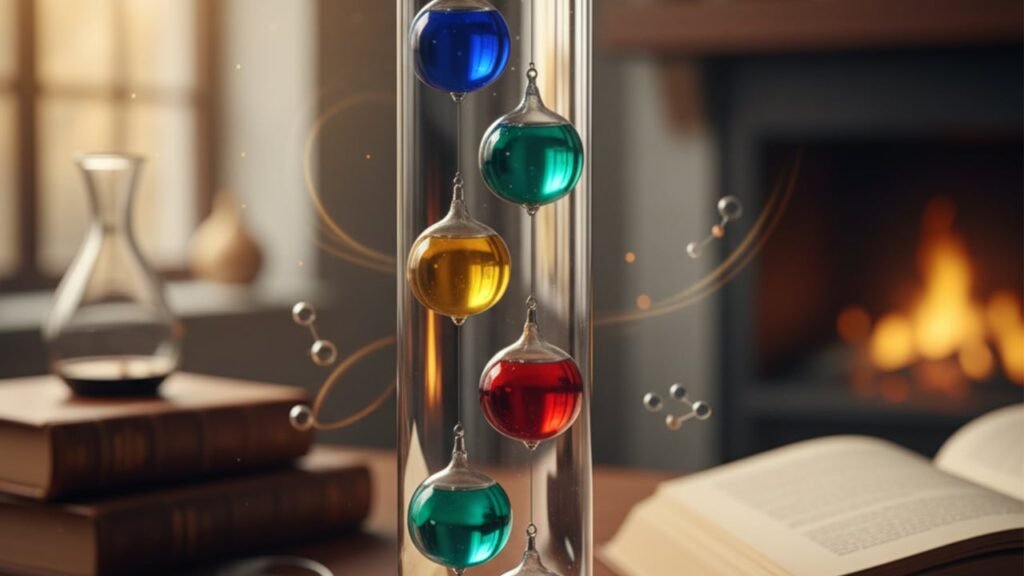
The essentials: A Galileo thermometer works because liquid density changes with temperature, making sealed glass bulbs rise or fall. Each bulb is weighted and calibrated at the factory so only specific bulbs float at specific temperatures, typically covering a 64°F to 80°F indoor range. You read the temperature from the lowest bulb still floating in […]
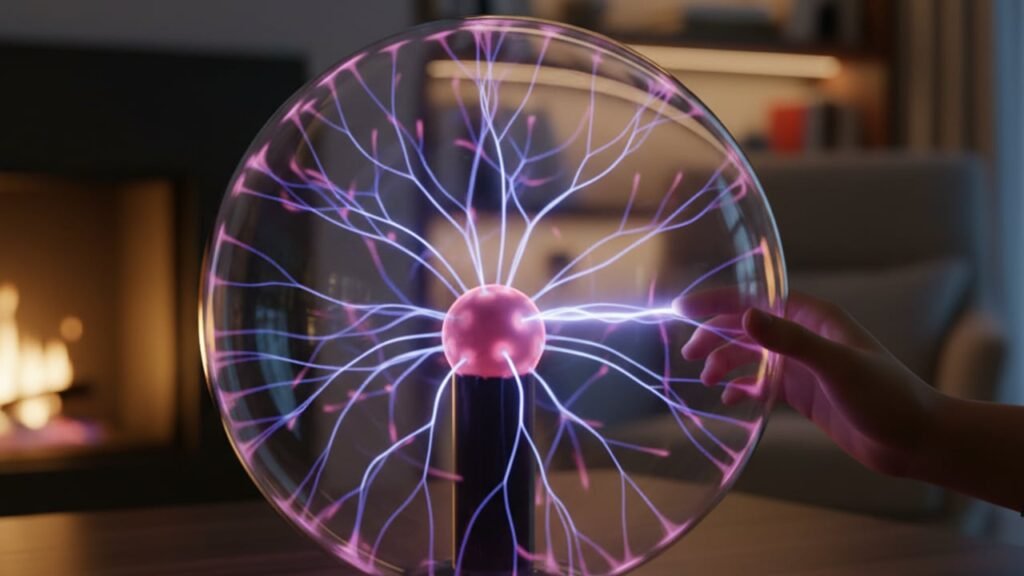
The essentials: A plasma ball works by applying 2,000 to 5,000 volts of high-frequency AC current (around 25 to 40 kHz) to a small electrode sealed inside a low-pressure gas mixture, usually neon and argon. That voltage ionizes the gas, stripping electrons from atoms and creating glowing, branching filaments called plasma tendrils. Touching the glass […]

The essentials: Engaging brain teasers for 10-year-olds mix logic, math, wordplay and spatial reasoning, each one stretching the brain in a different way. The sweet spot is a puzzle that takes 2 to 15 minutes and sits just above the child’s current skill level, not below it. A 10-year-old’s brain is far from finished growing: […]

The essential: Skip anything that looks like lab equipment: your graduate has already handled oscilloscopes, multimeters, and safety goggles for four years straight. The best gifts celebrate physics as wonder, not work: think kinetic sculptures, magnetic art, and desk pieces that spark conversation instead of flashbacks to problem sets. Match the gift to their personality: […]

The essentials: “Science tableware” covers two things: dinnerware printed with scientific motifs (molecular structures, periodic tables) and genuine science-themed objects used as table centerpieces. Heritage potteries like Portmeirion, from England’s Stoke-on-Trent “Potteries” district, produce botanical and pattern-led dinnerware, while niche sellers on Amazon and Etsy cover the molecular-print plates. For a truly conversational table, pair […]
From spectacular volcanic eruptions to the depths of the Earth’s crust, geology reveals the titanic forces that shape our planet. Are you ready to explore the bowels of the Earth?
The oceans cover more than 70% of the Earth’s surface and are home to extraordinary biodiversity. From coral reefs to the abyss, do you know the secrets of marine life?
The periodic table of the elements is one of the greatest achievements of science. From hydrogen to oganesson, do you know the secrets of the 118 chemical elements?
Our solar system is a fascinating collection of planets, moons and stars. How well do you know the bodies around us?
From ancient automata to surgical robots, robotics has transformed our world. Artificial intelligence, drones, Mars rovers… Are you up to date with this technological revolution?