
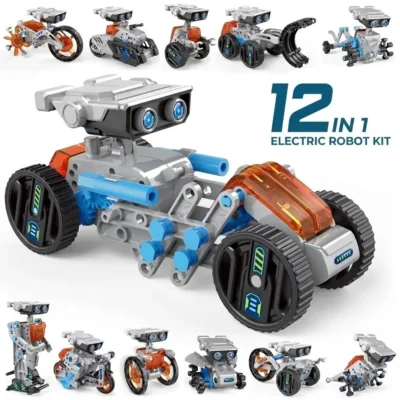
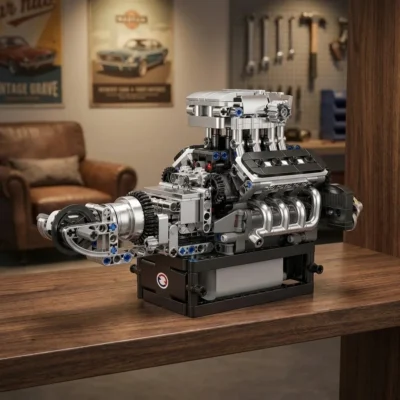
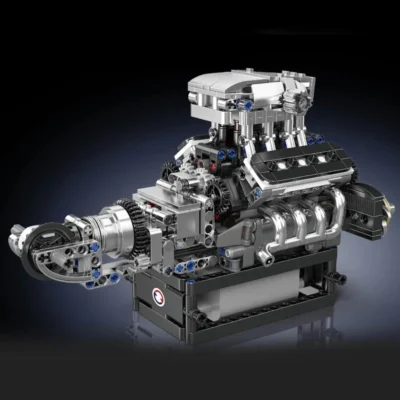
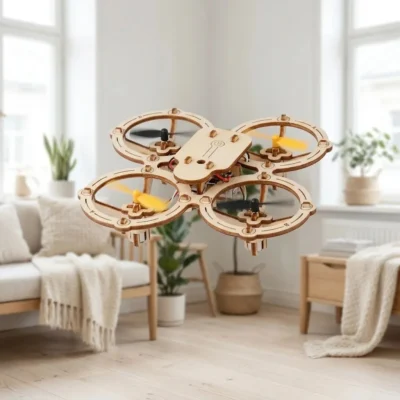
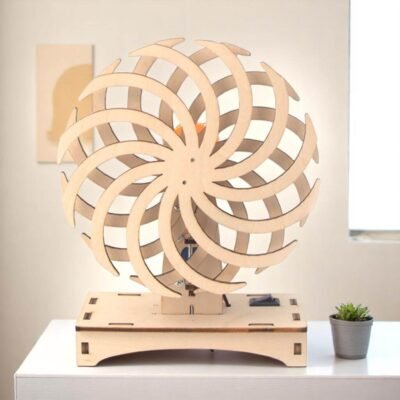
$24.99
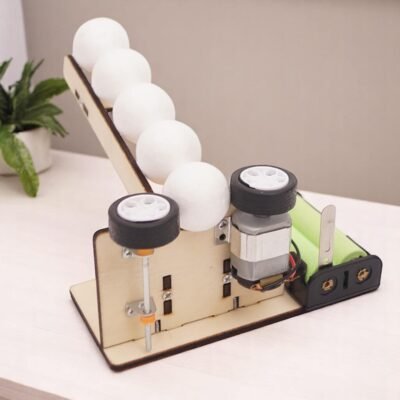
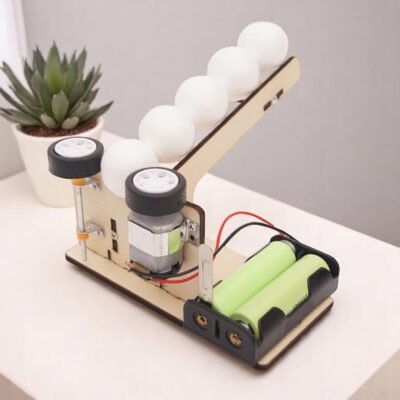
$19.99
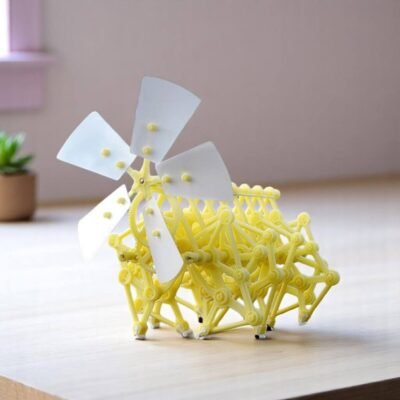
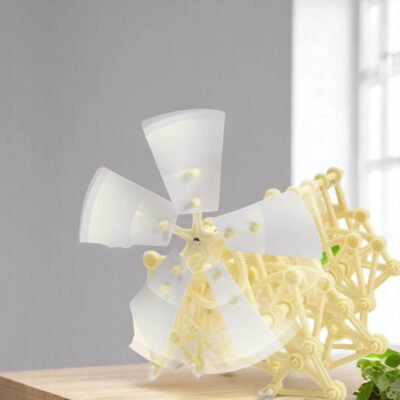
$24.99
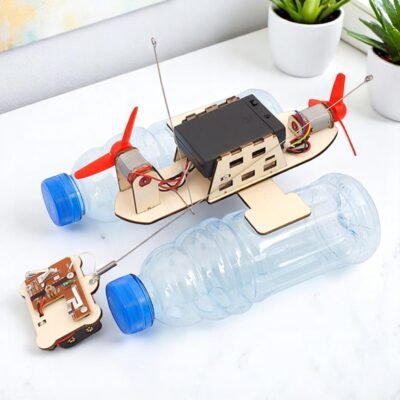
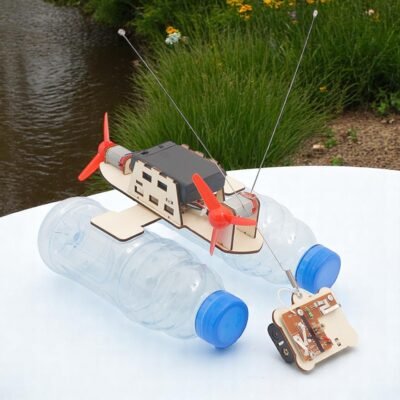
$39.99
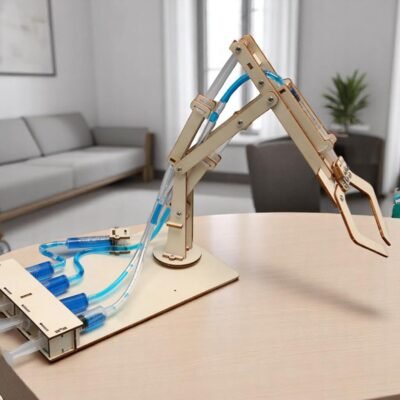
$34.99
$24.99

$44.99
$119.99
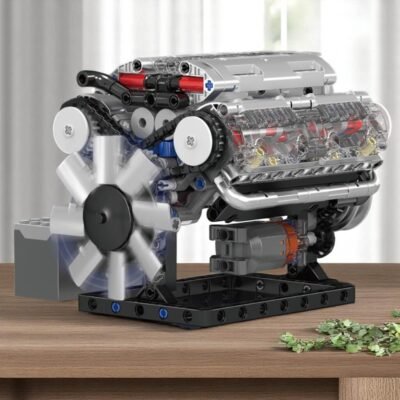
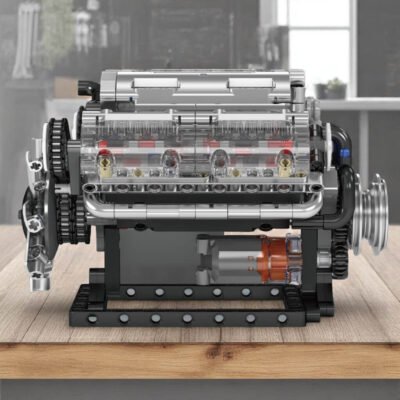
$119.99
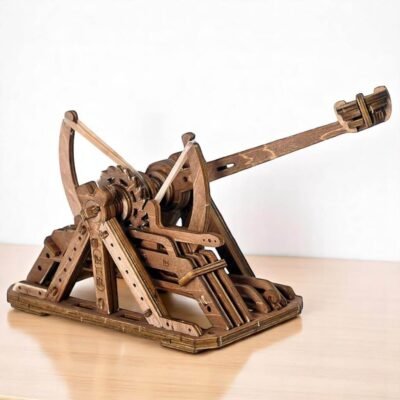
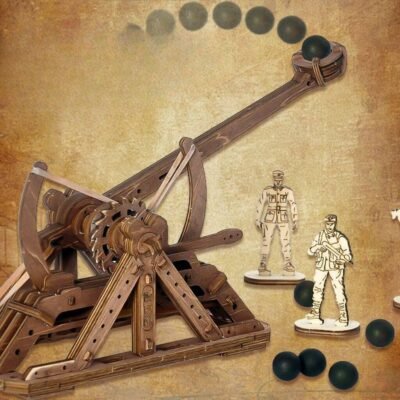
$44.99

$59.99
$24.99
$74.99
$29.99

$59.99

$119.99
$29.99
What is a STEM building kit?
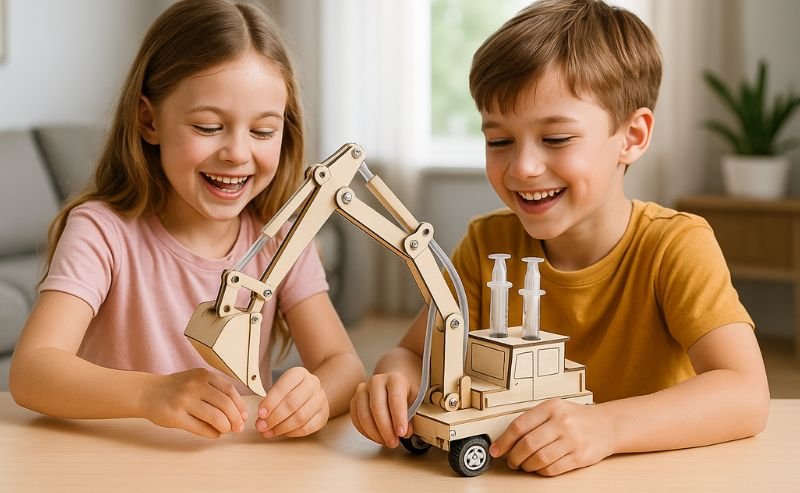
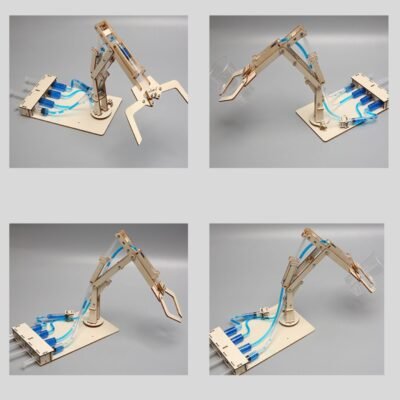
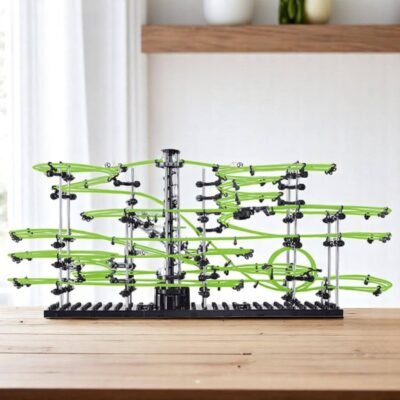
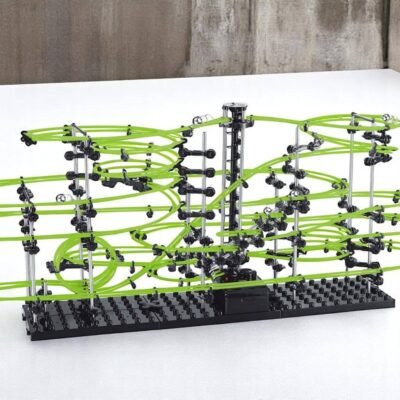
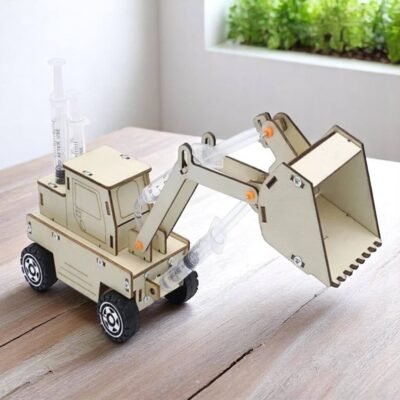
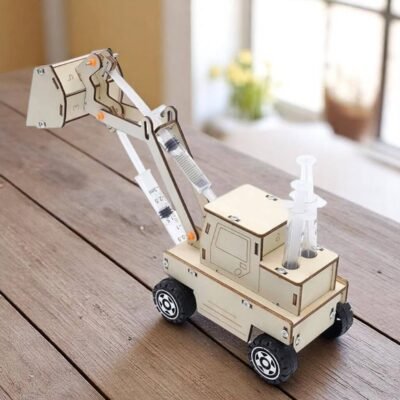
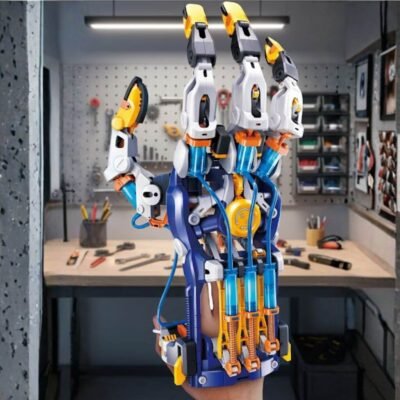
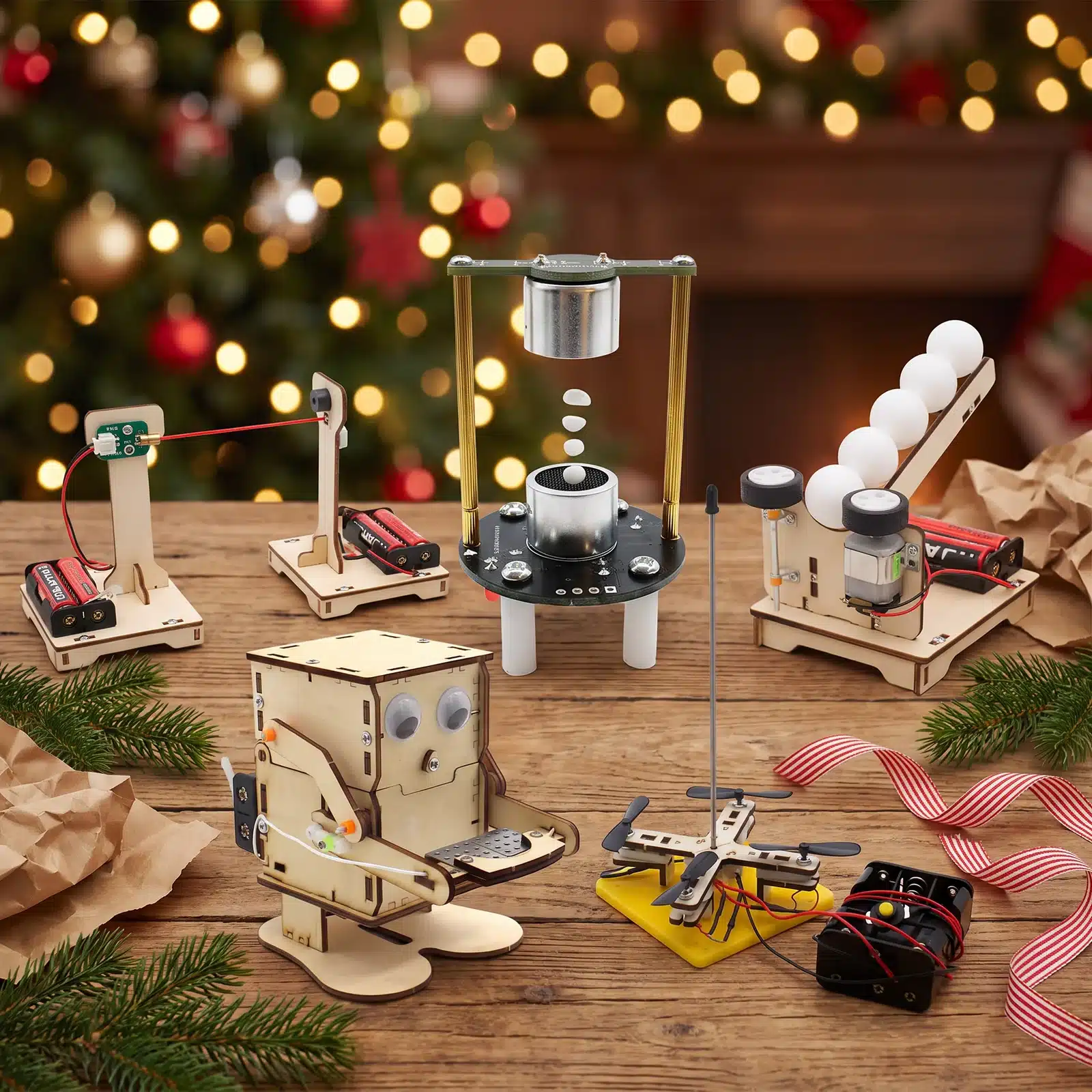
A STEM building kit is a machine you assemble yourself and then watch work: a V8 engine whose pistons cycle, a hydraulic arm driven by water-filled syringes, a Da Vinci catapult, a marble run with an electric lift, a robotic hand, a Strandbeest that walks on wind. Laser cut wood that slots together or plastic that clips, no glue, no soldering, and by the last piece the builder knows how a gear ratio, a lever or a hydraulic circuit works.
25 modelsFrom $19.99Hydraulics, mechanics, constructionNo glue, no solderingFree shipping over $59.90
Who is this collection for?
🔧
For the child who builds everything
From 8 upwards, the one who empties the box of bricks and wants something harder. A hydraulic excavator or a Strandbeest gives them a real mechanism to assemble, with a working result at the end.
🎁
For a teenager or a parent who is hard to buy for
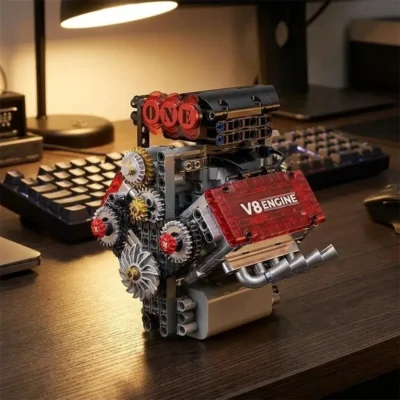
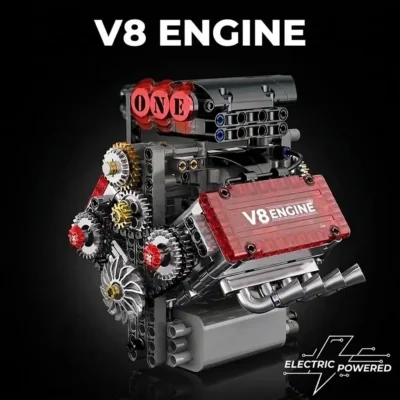
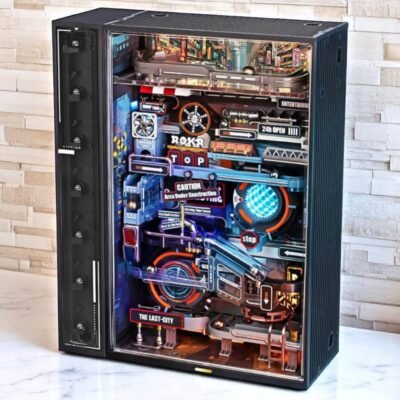
A V8 engine kit or a 130 piece marble run is a weekend project for a 14 year old, a father, or both together. Long enough to be satisfying, finished before the interest fades.
⚙️
For anyone who likes to know how things work
Engineers, mechanics, teachers and tinkerers. Building a Da Vinci catapult or a robotic hand explains torque, hydraulics and leverage better than any textbook.
How to choose an engineering kit
Piece count is the honest measure of difficulty and time. Under 50 pieces is an hour; 100 to 250 is an afternoon or two; 500 and up is a project for a teenager or a parent and child together.
| Type | Best for | Build time | Price |
|---|---|---|---|
| Hydraulics: arm, excavator, lift | Ages 8+, water powered mechanics | 30 min to 2 h | $20 to $35 |
| Mechanics: catapult, Ferris wheel, Strandbeest | Ages 8 to 12, moving models | 1 to 3 h | $20 to $50 |
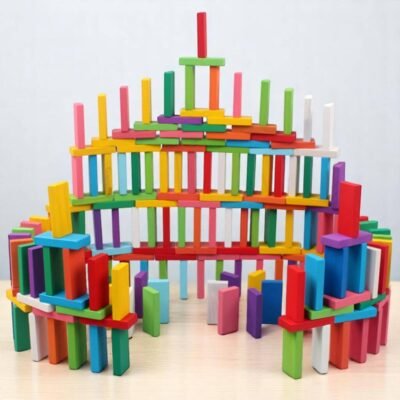
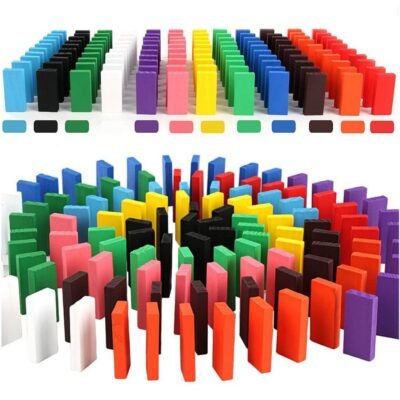
| Construction: magnetic blocks, dominoes, marble runs | Open ended building, ages 3 to 10 | Endless | $40 to $130 |
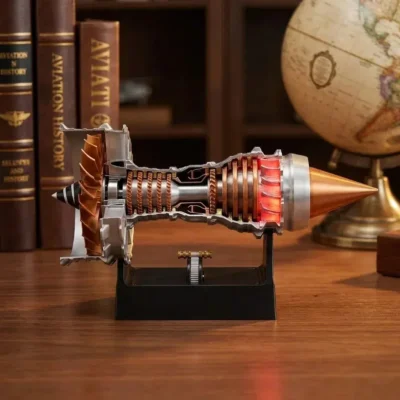
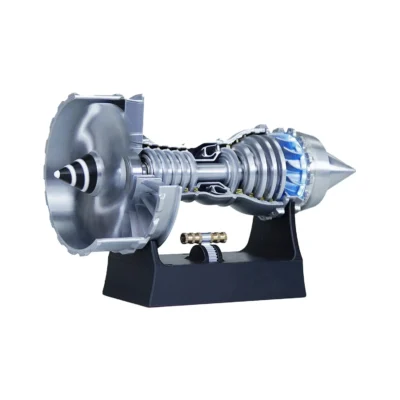
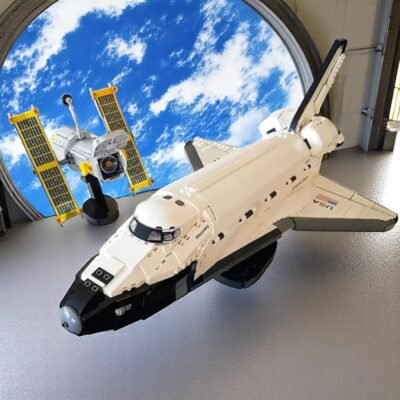
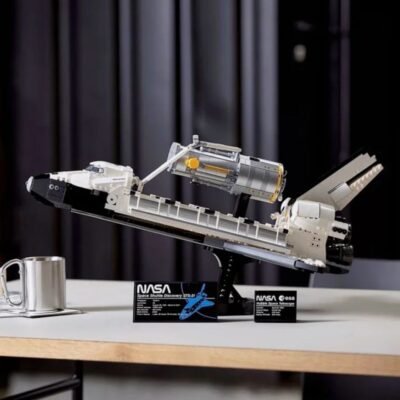
| Advanced: V8 engine, robotic hand, space shuttle | Ages 14+, hundreds of pieces | 4 to 10 h | $55 to $145 |
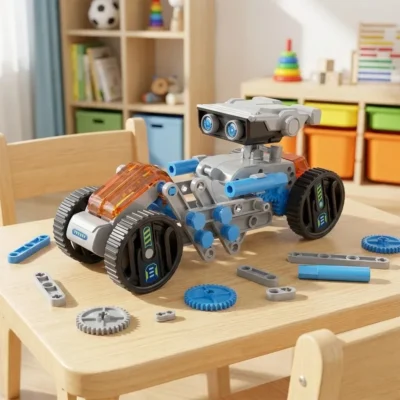
No glue or tools for most kits; a few include a small screwdriver. The motorized models take AA batteries, not included; the hydraulic kits run on water alone.
The science in two lines
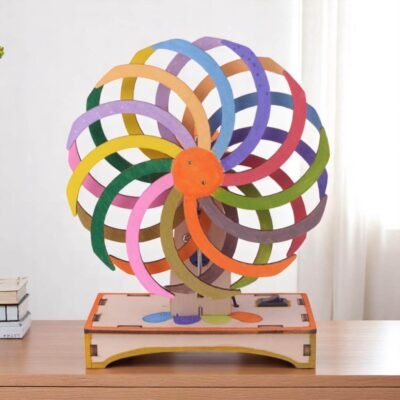
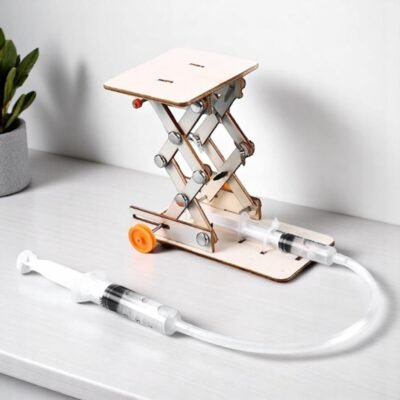
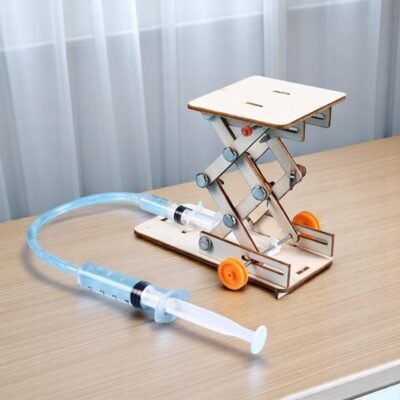
A hydraulic arm works because water cannot be compressed: push a small syringe and the same volume must move at the other end, and a wider cylinder there turns a small push into a big lift. Gears trade speed for force in the same way, which is why the marble lift climbs slowly and the Ferris wheel turns steadily.
Our three bestsellers
Engineering & Construction: your questions, answered
What age are STEM building kits for?
The hydraulic kits and the Ferris wheel work from 8. The catapult, the Strandbeest and the marble runs suit 10 and up. The V8 engine, the space shuttle and the 130 piece marble run are 14 and up, and adults enjoy them just as much.
Do I need glue or tools?
No. The wooden kits are laser cut and slot together; the plastic kits clip. A few include a small screwdriver. If a piece goes in wrong, you unclip it and try again, which is how most of the learning happens.
How long does a build take?
Short kits like the hydraulic lift or the Ferris wheel take under an hour. Medium builds like the catapult or the hydraulic arm take an afternoon. The V8 engine and the 130 piece marble run are several evenings of work.
Which kit makes the best gift for a 14 year old?
The V8 Engine Model Kit is the one that gets built with a parent and kept on a shelf afterwards. The animated marble run and the Robotic Hand are close behind. For a younger teenager, the Da Vinci Catapult is quick, works, and launches things.
Are these kits reusable?
The hydraulic and mechanical kits can be taken apart and rebuilt. The magnetic blocks, the dominoes and the marble runs are open ended by design: you build something different every time.
Free shipping over $59.90 and 30 days to return it. For models that are display pieces rather than machines, the 3D wooden puzzles; for the physics behind the mechanisms, the physics kits.