
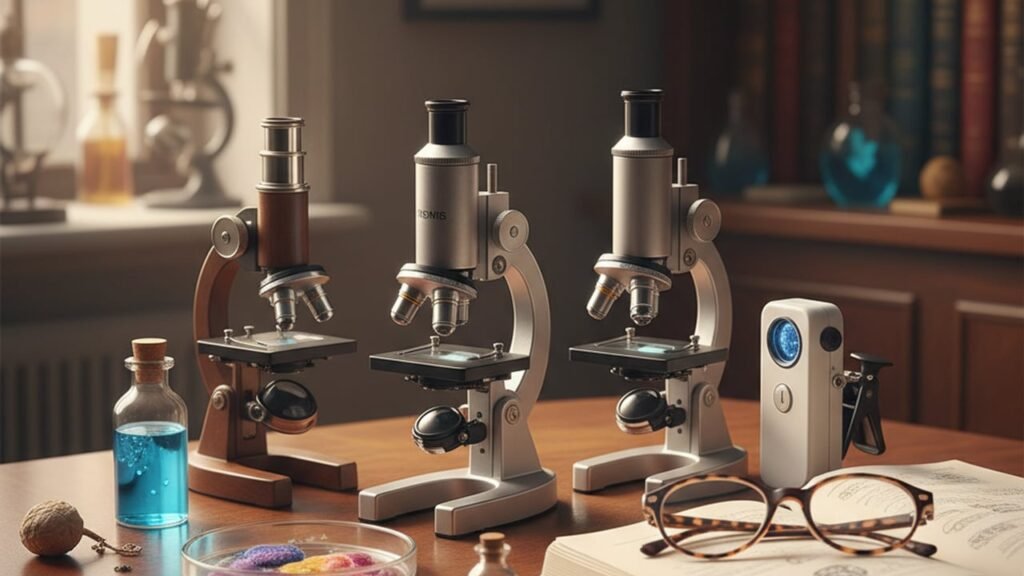
The essentials: A mini microscope is a pocket-sized optical or digital device, typically offering 20x to 60x optical magnification, sometimes boosted to 1000x through digital zoom. Expect to pay anywhere from $10 to $40 for a reliable pocket model, with premium digital versions reaching $40 to $75. For children aged 8 and above, a simple […]
Category Archives: Objects of Science
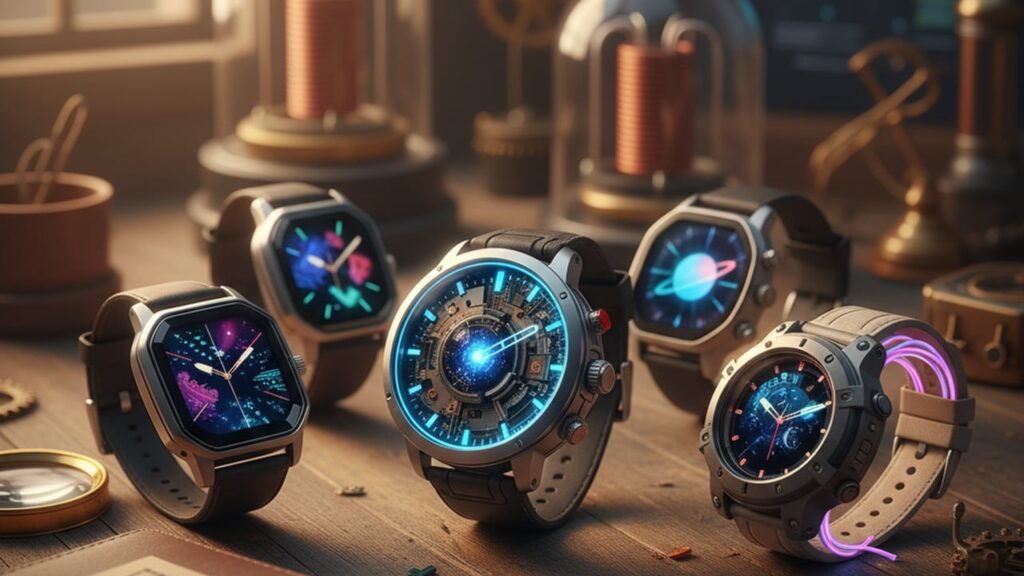
The essentials: A geek watch is any timepiece whose main appeal is intellectual or cultural: a licensed pop-culture design, a homage to Swiss horology, or a feature-packed smartwatch aimed at tech enthusiasts. The biggest risk in this niche is counterfeit sellers posing as official retailers, so always verify domains and payment methods before ordering. Choosing […]
The essentials: Anti stress toys work by giving restless hands a repetitive, low-effort task, which occupational therapists and psychologists link to reduced fidgeting anxiety and improved focus during long meetings or study sessions. The most stress-relieving toys combine tactile feedback (texture, resistance) with a satisfying mechanical action, such as spinning, clicking, or magnetic snapping. Choose […]
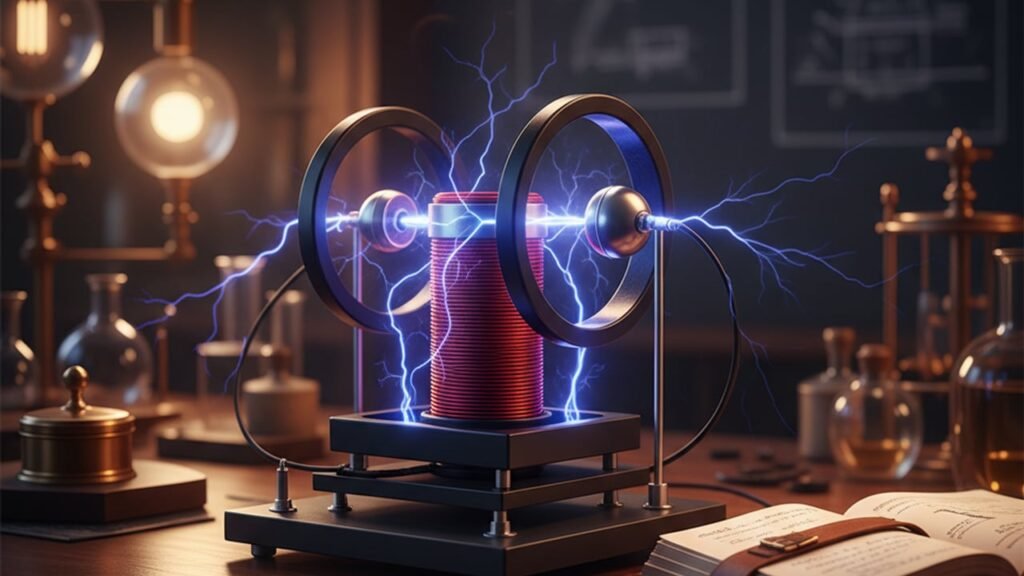
The essentials: A Tesla coil is a resonant transformer circuit that produces high-voltage, low-current, high-frequency alternating current, visible as dramatic arcing sparks. It was patented by Nikola Tesla in 1891 (US Patent 454,622) while researching wireless power transmission. Full-scale Tesla coils are rarely used for practical power delivery today, but smaller versions thrive in science […]
The essentials: A gyroscope is a spinning wheel or disc mounted so its axis can point in any direction, resisting changes to its orientation thanks to angular momentum. The word was coined in 1852 by French physicist Léon Foucault from the Greek for “turn” and “to see”. Modern gyroscopes hide inside smartphones, aircraft, ships, spacecraft […]
The essentials: A Klein bottle is a mathematical surface with only one side, no boundary, and no distinction between inside and outside. It cannot exist without self-intersection in our three-dimensional world, which is why every glass version you’ll ever hold is a clever 3D approximation of a true 4D object. Named after German mathematician Felix […]
The essentials: The best gifts for a physicist combine a real scientific principle with genuine desk-worthy design, not just a novelty box. Our top picks range from around $20 stocking stuffers to premium statement pieces, so there is something for every budget. A Tesla coil music speaker, a storm glass barometer and a Stirling engine […]
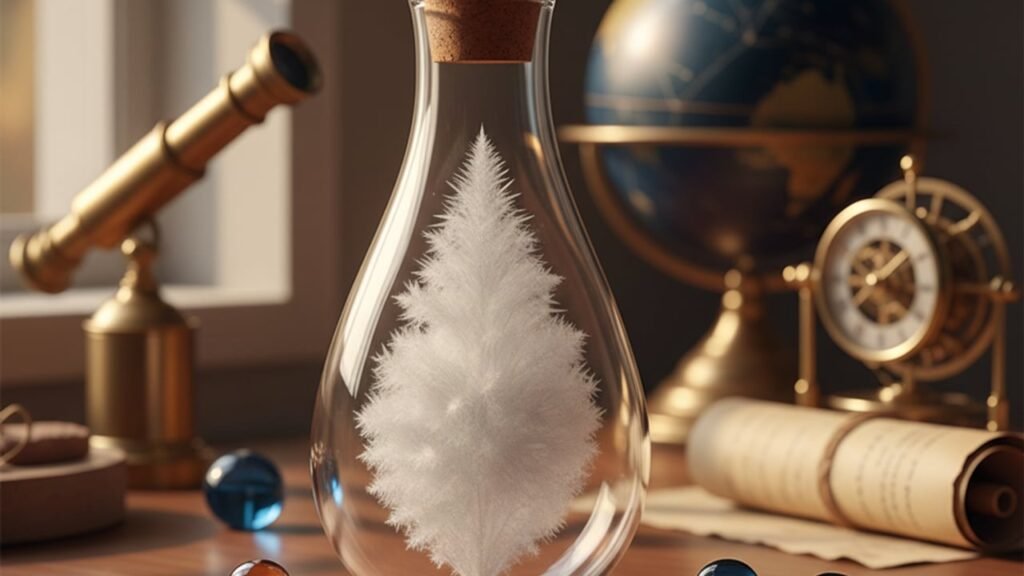
The essentials: A storm glass is a sealed glass vessel containing a camphor-based liquid that forms crystals as temperature changes, popularized by Admiral Robert FitzRoy in the 19th century. No peer-reviewed study has confirmed that crystal patterns reliably forecast weather; modern meteorology treats it as a historical curiosity rather than a scientific instrument. It remains […]
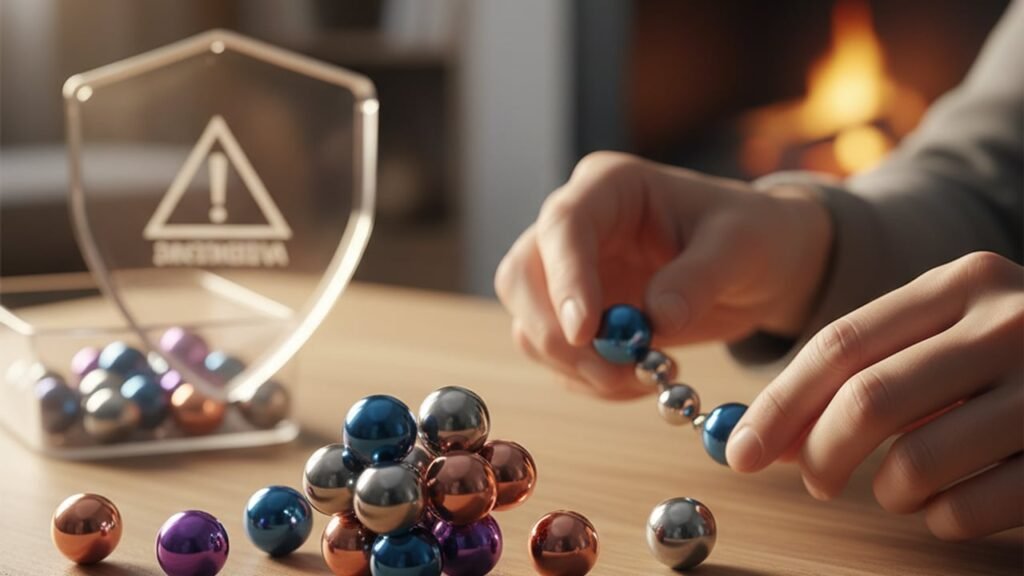
The essentials: Small high-powered magnetic balls are genuinely dangerous if swallowed, because two or more magnets can attract each other through the bowel wall and cause life-threatening internal injuries. The US Consumer Product Safety Commission (CPSC) reports thousands of magnet-ingestion incidents linked to loose ball magnets, and a federal safety standard (16 CFR Part 1262) […]
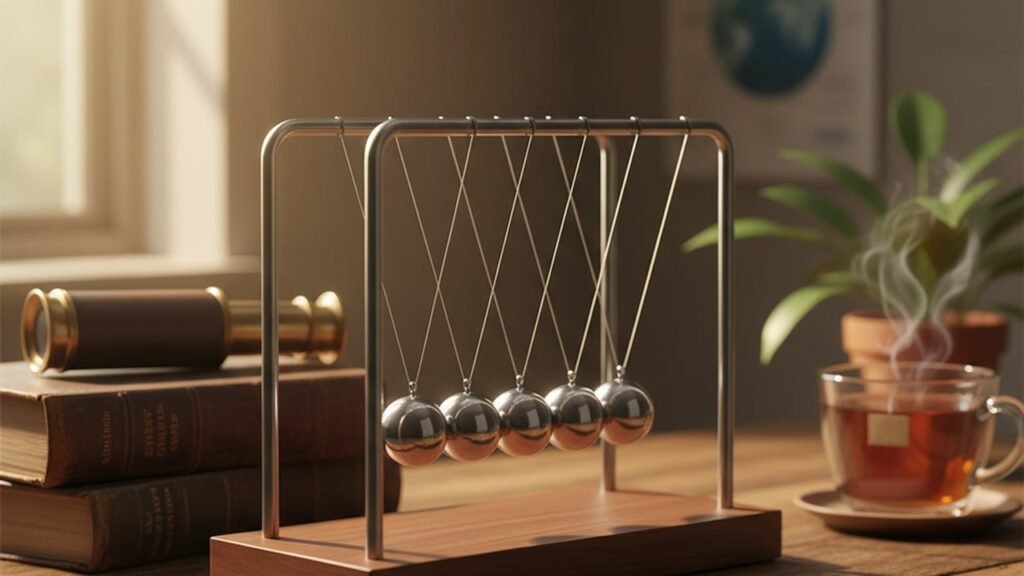
The essentials: A Newton’s Cradle demonstrates the conservation of momentum and energy through a chain of swinging steel balls, each collision passing motion almost unchanged to the far end. Despite the name, Sir Isaac Newton never built or owned one; the desktop toy was named in his honor by English actor Simon Prebble in 1967. […]