
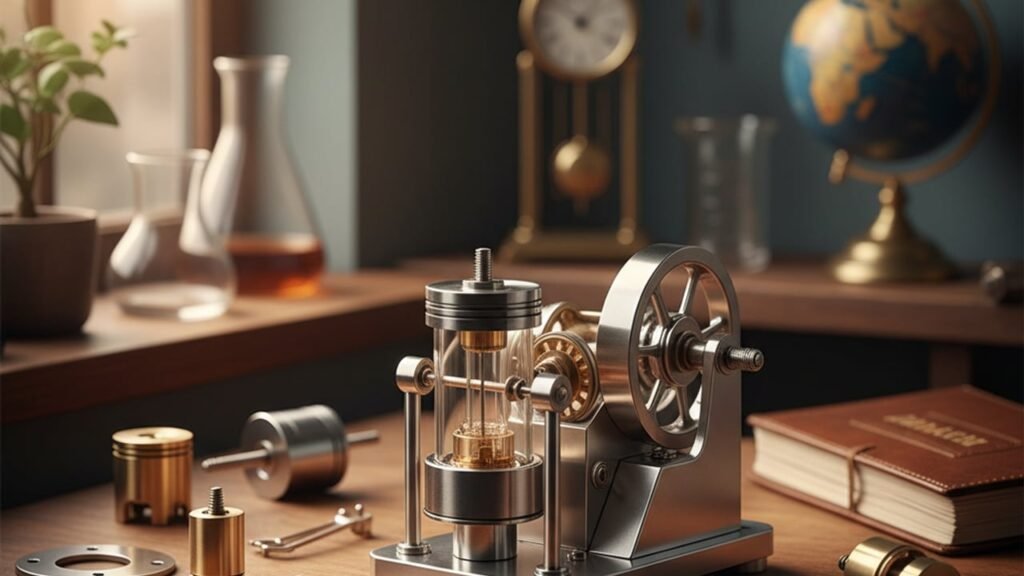
The essentials: A Stirling engine kit is a build-it-yourself model engine that runs on temperature difference alone, no fuel, no batteries, no fumes. The four core parts are the displacer piston, power piston, flywheel and a heat source (candle, hot water or your own hand). Assembly typically takes 30 to 90 minutes and suits everyone […]
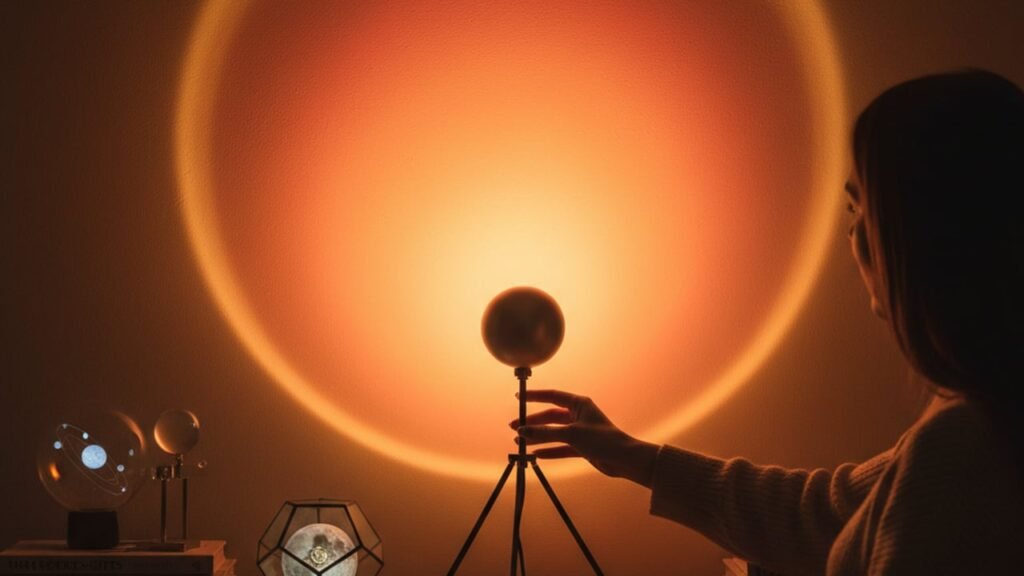
The essentials: A sunset lamp is a small LED projector that mimics the warm orange-to-pink gradient of golden hour, using a colored bulb or gel filter rather than any real weather phenomenon. The colors you see mimic Rayleigh scattering, the same optical effect first described mathematically by Lord Rayleigh in 1871 that explains why real […]
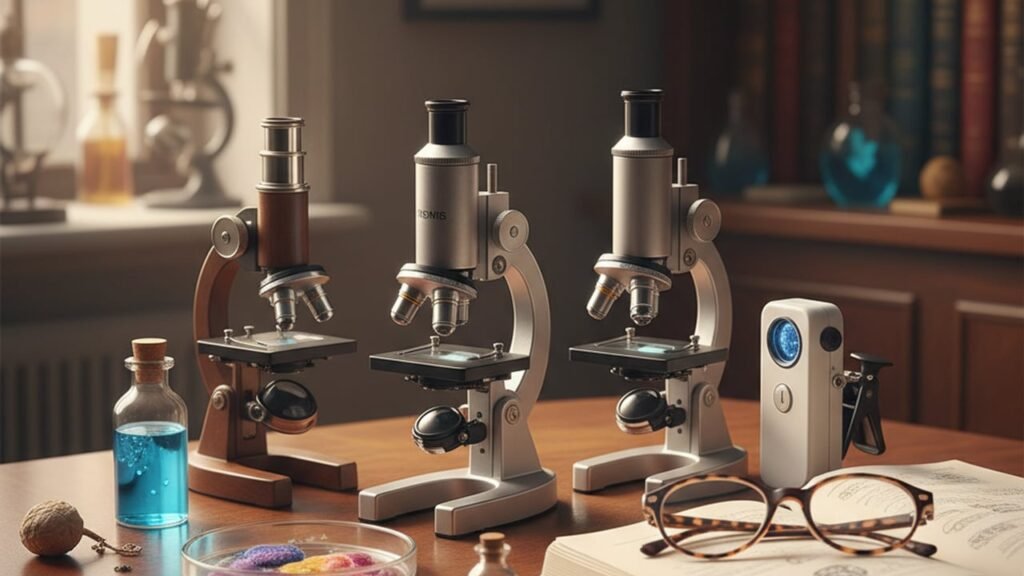
The essentials: A mini microscope is a pocket-sized optical or digital device, typically offering 20x to 60x optical magnification, sometimes boosted to 1000x through digital zoom. Expect to pay anywhere from $10 to $40 for a reliable pocket model, with premium digital versions reaching $40 to $75. For children aged 8 and above, a simple […]
The essentials: Science-Gifts doesn’t sell officially licensed Back to the Future merchandise (no DeLorean replicas or Marty McFly jackets), but we do sell the real working science that inspired Doc Brown’s tinkering spirit: Tesla coils, Stirling engines, storm glass weather predictors and time-themed curiosities. If you want licensed movie props, Etsy and licensed retailers are […]
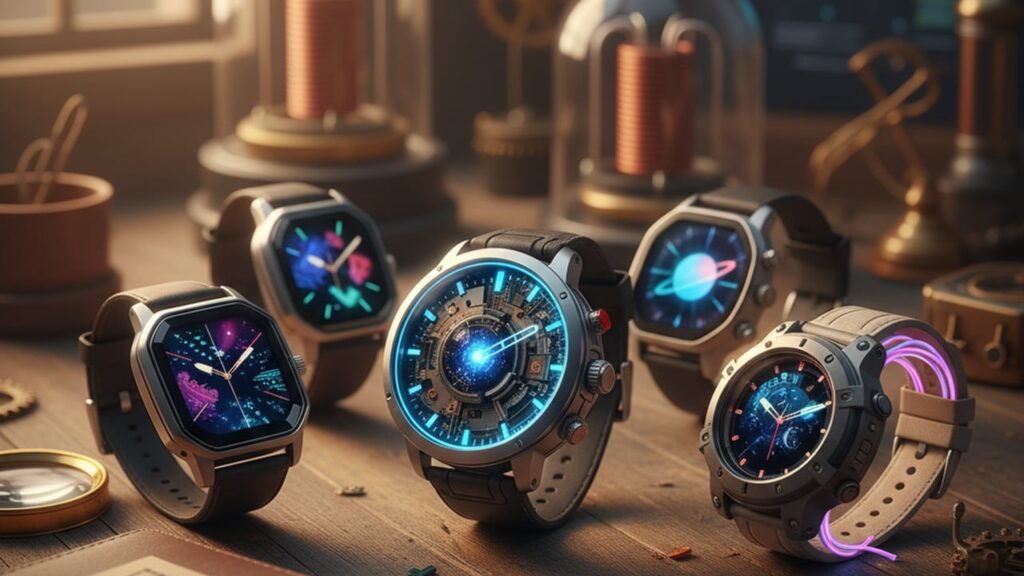
The essentials: A geek watch is any timepiece whose main appeal is intellectual or cultural: a licensed pop-culture design, a homage to Swiss horology, or a feature-packed smartwatch aimed at tech enthusiasts. The biggest risk in this niche is counterfeit sellers posing as official retailers, so always verify domains and payment methods before ordering. Choosing […]
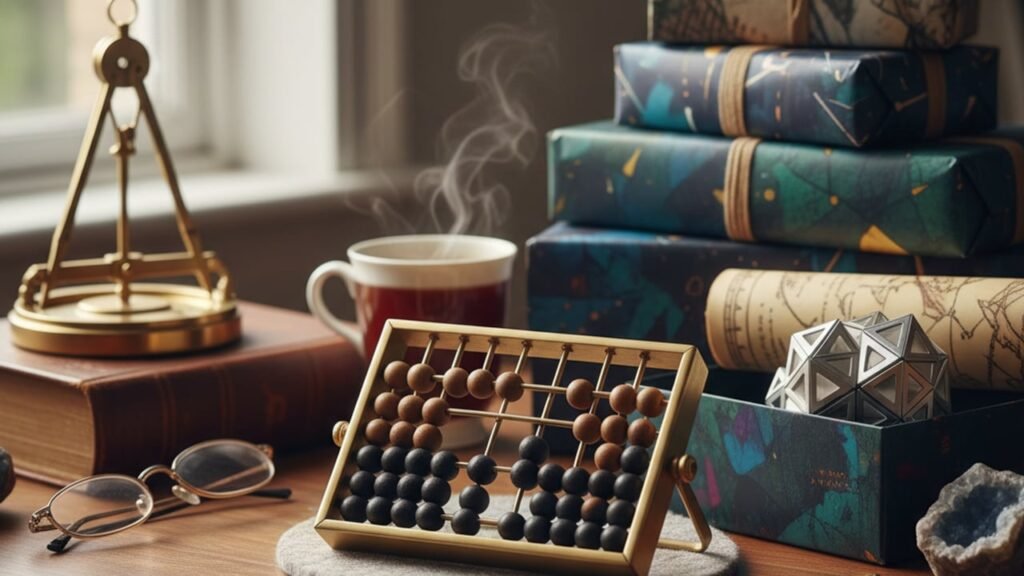
The essentials: The best math gifts in 2026 combine genuine mathematical principles with strong design, not novelty t-shirts or clichéd pi puns. Budget ranges from under $25 (puzzles, magnets) to over $50 (kinetic sculptures, precision-engineered brain teasers). For children, age-appropriate math toys (ages 6 to 14) build number sense through play rather than worksheets. Check […]
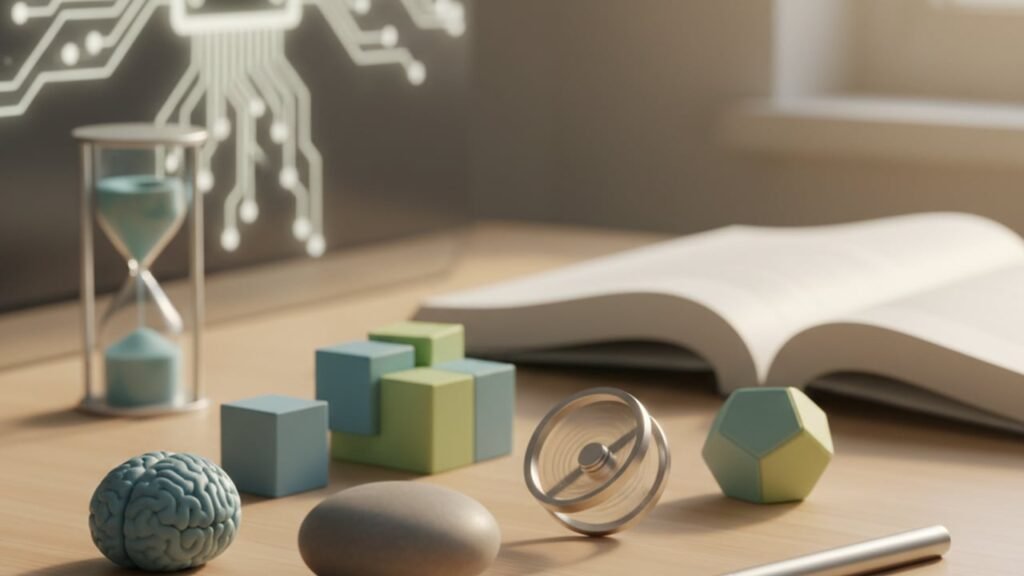
The essentials: Anti stress toys work by giving restless hands a repetitive, low-effort task, which occupational therapists and psychologists link to reduced fidgeting anxiety and improved focus during long meetings or study sessions. The most stress-relieving toys combine tactile feedback (texture, resistance) with a satisfying mechanical action, such as spinning, clicking, or magnetic snapping. Choose […]
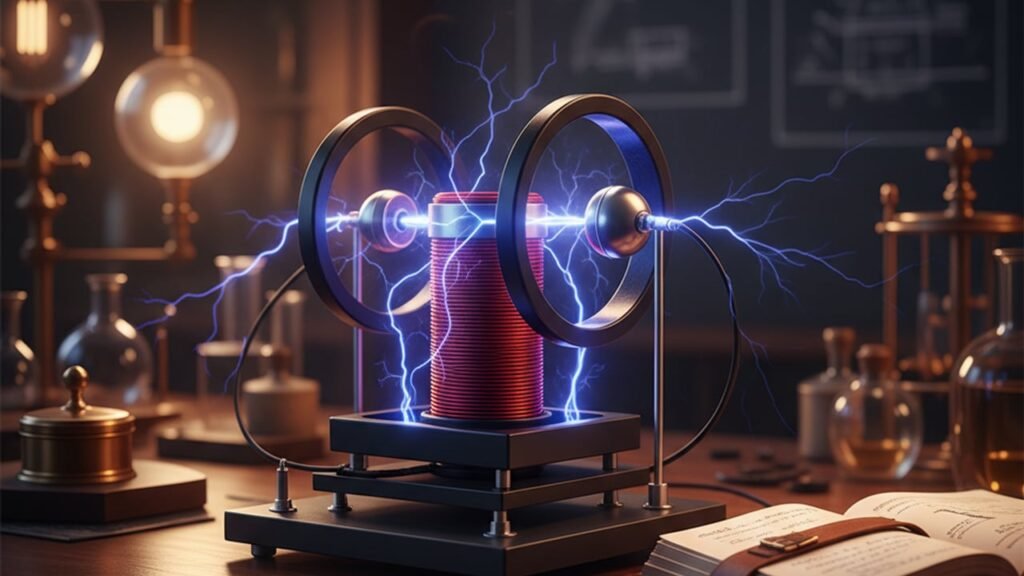
The essentials: A Tesla coil is a resonant transformer circuit that produces high-voltage, low-current, high-frequency alternating current, visible as dramatic arcing sparks. It was patented by Nikola Tesla in 1891 (US Patent 454,622) while researching wireless power transmission. Full-scale Tesla coils are rarely used for practical power delivery today, but smaller versions thrive in science […]
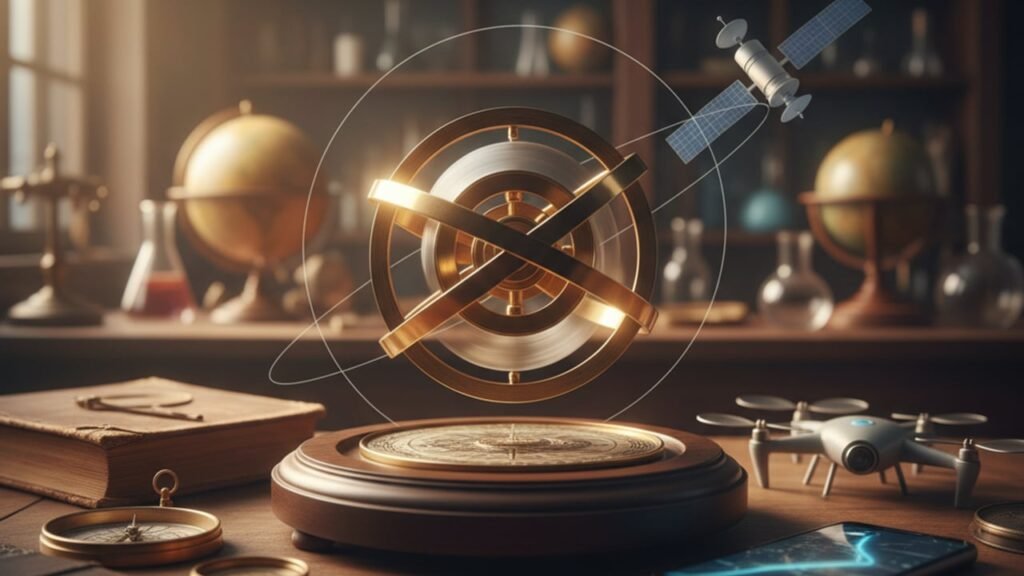
The essentials: A gyroscope is a spinning wheel or disc mounted so its axis can point in any direction, resisting changes to its orientation thanks to angular momentum. The word was coined in 1852 by French physicist Léon Foucault from the Greek for “turn” and “to see”. Modern gyroscopes hide inside smartphones, aircraft, ships, spacecraft […]

The essentials: A Klein bottle is a mathematical surface with only one side, no boundary, and no distinction between inside and outside. It cannot exist without self-intersection in our three-dimensional world, which is why every glass version you’ll ever hold is a clever 3D approximation of a true 4D object. Named after German mathematician Felix […]