



The Potato Clock
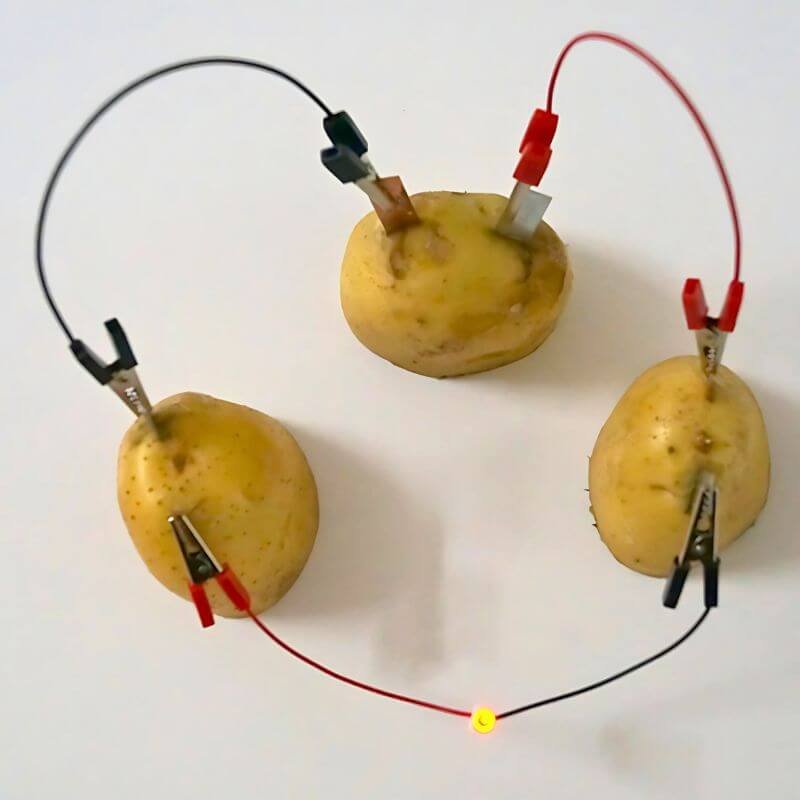
How a potato clock works, and why the whole family will love it
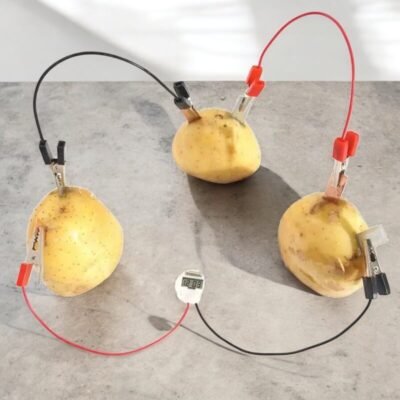
The potato clock experience turns kitchen staples into real science. Kids watch in disbelief as two ordinary potatoes power a working clock, and they actually understand why. A chemical reaction between zinc and copper generates a small electric current, making each potato act like a natural battery. This hands-on kit gives children a concrete look at how everyday fruits and vegetables store energy, and how that energy can be put to use. It is straightforward to set up, genuinely fun to run, and leaves kids asking what else they can power. A great introduction to electricity for curious minds of all ages.

Learn how to turn an ordinary potato into a power source
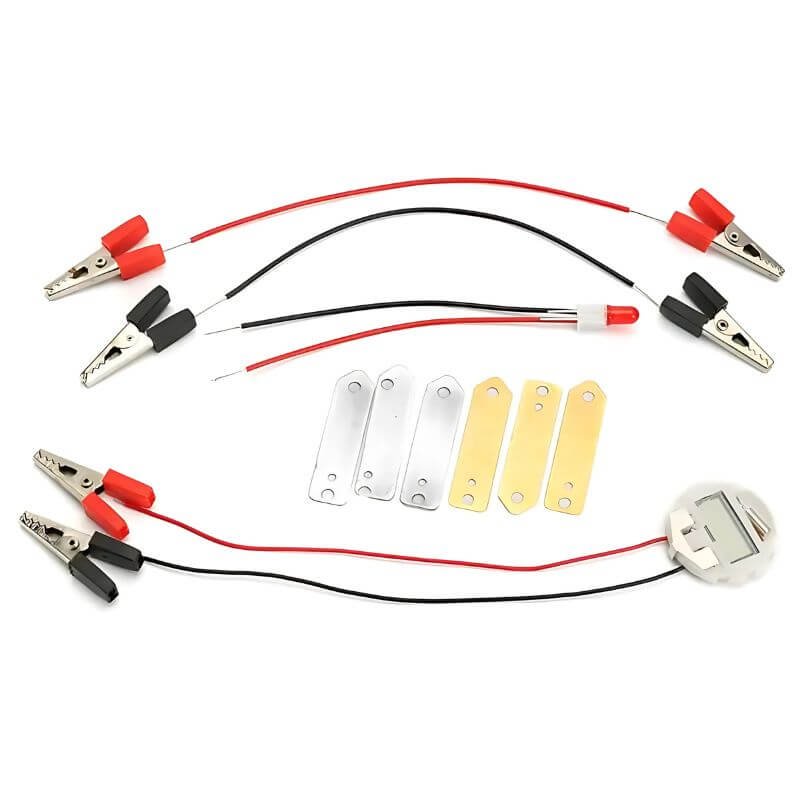
The potato clock experience does not stop at potatoes. Part of the fun is testing other fruits and vegetables to see which one generates the most power. Lemons tend to outperform potatoes because of their higher acidity, which improves electrical conductivity through the zinc and copper electrodes. Try tomatoes, apples, or whatever is in the fridge, then compare the results. The kit includes everything needed to connect and activate the clock: copper sheets, zinc sheets, wires, LEDs, and the clock unit itself. No extra purchases required. Kids get a real sense of the scientific method as they test variables, observe outcomes, and draw their own conclusions from the potato clock experiment.
Potato Clock, Product Details
-
Bioenergy science kit for kids ages 8 and up
-
Includes: 4 copper sheets (positive electrode), 4 zinc sheets (negative electrode), 2 LEDs (for light experiments), 1 electronic clock (powered by your homemade battery), 6 wires (for electrical connections)
-
Compatible with a variety of fruits and vegetables, potatoes, lemons, tomatoes, and more
-
Builds understanding of electricity and chemistry through play
-
Designed to spark curiosity and get imaginations going
- Science toy gift idea